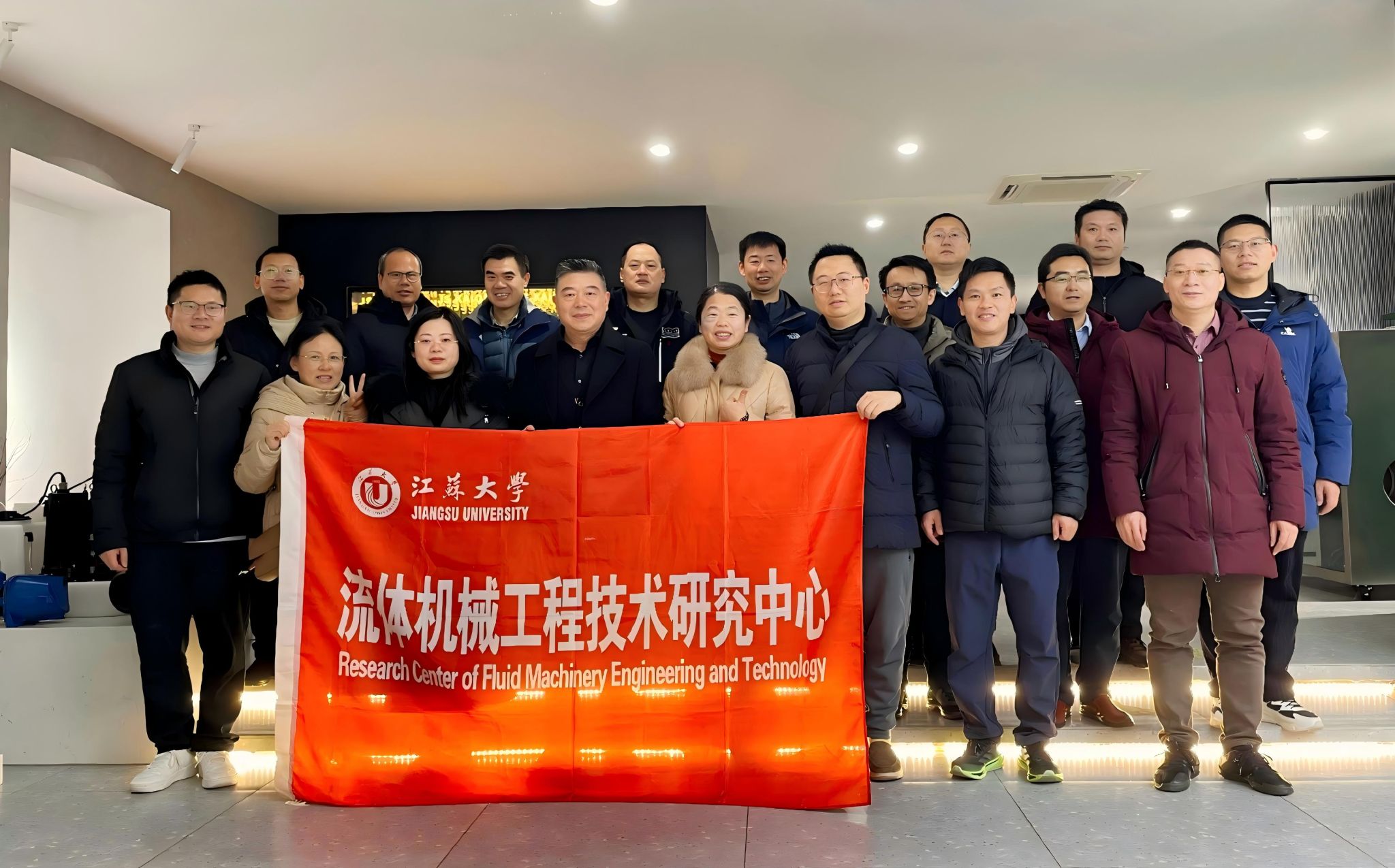
On January 18, the Jiangsu University Fluid Equipment “Strengthening the Nation” Special Action Team visited the pump and valve industry in Baima Town, Lishui District, Nanjing, to carry out a themed activity titled “University-Enterprise Collaboration for a Pump-Powered Future: Jointly Promoting the Deep Integration of Scientific and Technological Innovation with Industrial Innovation.”
Participants included Zhang Desheng, Secretary of the Party Committee of the Fluid Center of Jiangsu University; Yuan Jianping, Director of the Center; Zhang Jinfeng, Deputy Secretary of the Party Committee; Deputy Directors Pei Ji and Peng Guangjie; Zhu Yong, Secretary of the Party Branch for Fluid Equipment Industry Services and Achievement Transformation; Chen Si, Secretary of the Party Branch for Major Fluid Equipment Project Platforms; as well as faculty representatives.
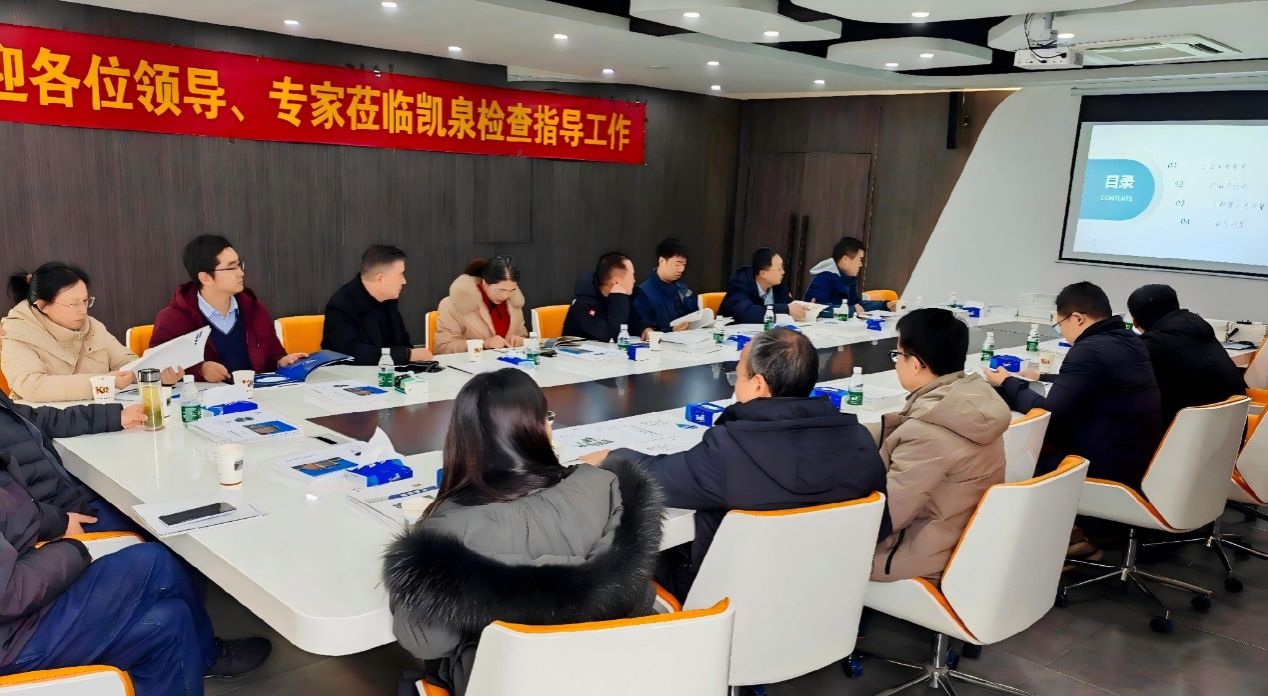
The special action team visited Jiangsu Kaiquan Pump Manufacturing Co., Ltd., a benchmark enterprise in Baima Town’s pump and valve sector. The two sides held in-depth discussions on the theme of “promoting the integrated innovation of the scientific and technological chain and the industrial chain through university-enterprise collaboration.”
The discussions focused on the practical constraints currently affecting the integration of industrial and technological innovation, while jointly exploring implementation pathways for the coordinated development of scientific and technological innovation and industrial innovation.
Both sides also reached strategic consensus on further deepening multidimensional cooperation among industry, universities, research institutes and application sectors, with the goal of jointly advancing the high-quality innovation-driven integration of the pump and valve industrial chain in the Yangtze River Delta region.
Yu Yanfang, Chairman of Jiangsu Kaiquan Pump Manufacturing Co., Ltd., gave a systematic introduction to the company’s industrial layout in fields including energy, chemical engineering, transportation and municipal services. He highlighted the company’s key technical needs in the research, development and manufacturing of high-end pump products, particularly bottlenecks in system integration and intelligent technologies.
The “Strengthening the Nation” Special Action Team noted that high efficiency, energy conservation, system integration and intelligent development represent the core directions for the future of the pump and valve industry. As the primary force of industrial innovation, enterprises and universities, as sources of scientific and technological innovation, should complement each other’s strengths and pursue mutually beneficial cooperation.
The team proposed building a collaborative innovation model featuring “frontier university research support plus enterprise-oriented industrial application and transformation.” This model aims to promote the deep integration of scientific and technological innovation with industrial innovation.
Based on its accumulated technological expertise, the team put forward several targeted solutions to key technical challenges. It also proposed establishing a joint university-enterprise research mechanism to accelerate technological iteration and jointly overcome key bottlenecks in the field of high-end pump and valve equipment.
Both sides agreed to continue strengthening enterprise core competitiveness through industry-university-research cooperation, accelerate the transformation of advanced scientific and technological achievements into local industries, foster new quality productive forces in the pump and valve sector, and enhance the resilience and innovation capacity of the Yangtze River Delta pump and valve industrial chain.
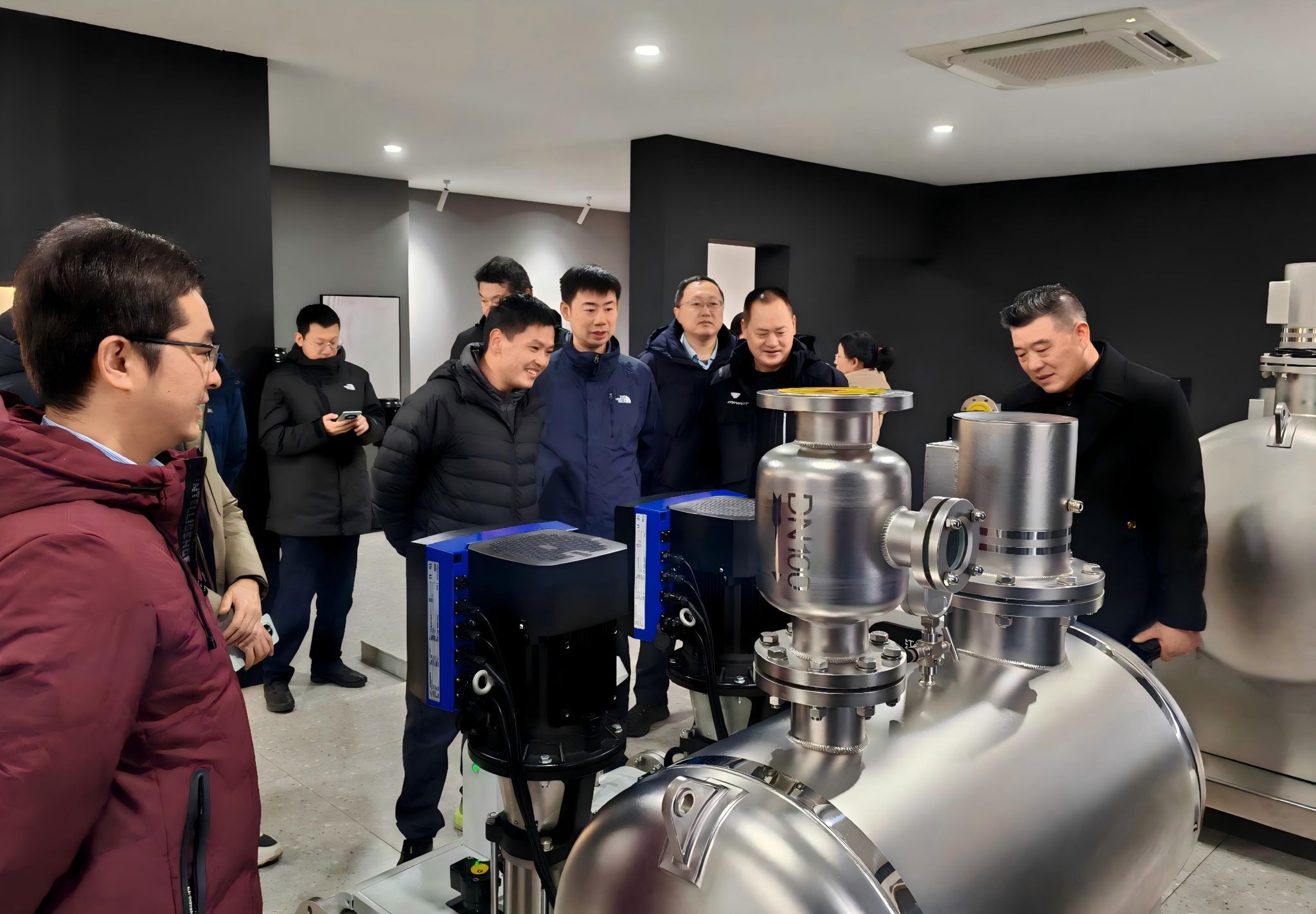
The special action team also conducted in-depth technical research on the production frontline of Jiangsu Kaiquan Pump Manufacturing Co., Ltd. The team visited the company’s production lines and core component performance testing laboratories.
Through on-site observation, analysis of product performance data and detailed exchanges with senior engineers, the team gained a systematic understanding of key technical bottlenecks in product design, precision casting and advanced machining.
On this basis, the team proposed a series of technical improvement solutions. The two sides also held detailed discussions on how to efficiently connect and utilize university research resources to address practical engineering problems faced by the enterprise, further clarifying specific pathways for joint university-enterprise research and problem-solving.
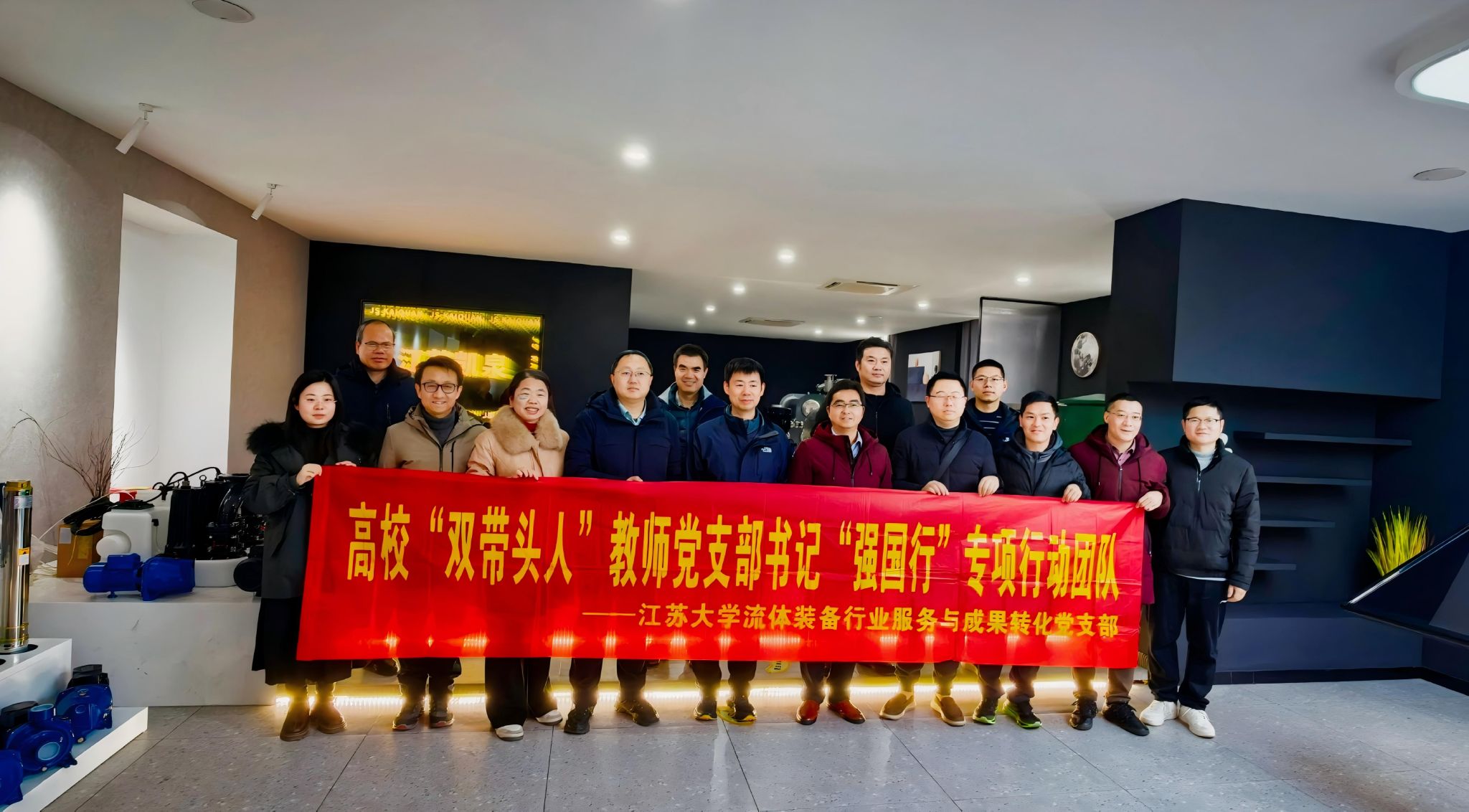
As an important practical component of Jiangsu University’s Fluid Equipment “Strengthening the Nation” Special Action, the event focused on deepening the integration of the scientific and technological innovation chain and the industrial innovation chain.
It represented a pragmatic measure by the university to actively align with national strategies and respond to the Ministry of Education’s “Strengthening the Nation” Special Action for teacher Party branch secretaries who serve as “double leaders” in both Party building and academic development. It was also an innovative exploration by the Fluid Center of Jiangsu University to promote the deep integration of Party building and professional work.
For many years, the Fluid Center of Jiangsu University has maintained close industry-university-research cooperation with the pump and valve industry in the Yangtze River Delta. Together, they have established the Yangtze River Delta Pump and Valve Industrial Chain Alliance and built a strategic cooperation framework covering Party-building collaboration, key technological research and joint talent cultivation.
The two sides have achieved a number of original technological breakthroughs in the field of high-end pump and valve equipment, forming a replicable collaborative innovation model that combines “university think tank support with industrial cluster development.”
This model provides a new paradigm for promoting the high-quality development of the high-end fluid equipment industry in the Yangtze River Delta.


